Regulation (EU) 2023/1542 on batteries
Waste management
The role of end-users in contributing to waste prevention
End users play an important role in battery waste prevention. A proper and responsible use of batteries, along with practices that promote longevity and reuse, can help reduce their environmental impact. For this reason, end-users are encouraged to take in consideration the following general guidelines in order to make their significant contribution and support this effort.
- Use batteries according to the manufacturer's instructions to avoid premature damage. Avoid deep discharges or overcharges that can drastically reduce battery life. Store batteries in appropriate conditions (temperature, humidity, etc.).
- Charge batteries using appropriate and certified chargers. Avoid leaving batteries charging for an excessive period of time. If possible, avoid completely discharging batteries before recharging them. Prefer instead regular and partial charging cycles rather than deep discharges and frequent full recharges, unless otherwise indicated in the manufacturer’s instructions. Further charging instructions can be retrieved from the owner’s manual of your vehicle.
- Batteries of devices that are no longer in use can often be reused in other compatible devices. Consider options for repurposing or refurbishing batteries, which involve modifying or restoring them for a new use.
When managing Lead Acid batteries, please pay attention to the following:
- Read and follow all the instructions reported into the Owner’s manual of your vehicle.
- Avoid staying in the KEY-ON position for a long time without running the Engine. This behaviour can quickly discharge the battery.
- Avoid using the vehicle for very short trips, as this does not allow the battery enough time to recharge properly.
- Avoid excessive use of the Start & Stop System. Frequent repeated engine starts in a short period can reduce battery life.
- Use only Ferrari battery charger for both Lead Acid and Lithium batteries. Ferrari battery chargers are developed specifically for Ferrari batteries.
- Ferrari batteries are equipped with a sensor calibrated specifically for Ferrari vehicles. Using batteries not approved by Ferrari can cause damages on other vehicle systems.
- Storing the batteries in a place at a temperature between 10°C and 25°C helps to maximize performance and battery life.
When managing high voltage batteries, please respect the following rules:
- Electric vehicle batteries must be stored in a dry, well-ventilated area at a temperature of 21 °C +/-5 °C
- Batteries must be kept separate from other combustible or flammable materials and protected from damage (e.g. crushing or puncturing).
- DO NOT expose high voltage batteries to a temperature above +35 °C (since it may reduce the service life of the battery) or below -40°C (to avoid the risk of the electrolyte freezing in the battery).
- Batteries naturally discharge at a very slow rate over time. Battery performance can vary depending on the state of charge and the temperature of the battery. Batteries stored at a high state of charge or at high temperatures will lose capacity more quickly. If the vehicle is not used for prolonged periods, keep it connected to a mains power socket using the provided power cable.
- For other information on charging the high voltage battery, please refer to the chapter “Charging Batteries” in the “Getting to know your vehicle” section of the “Owner’s Manual” of your vehicle.
The role of end-users in contributing to the separate collection of waste batteries
Batteries contain hazardous substances. Improper disposal of batteries can be harmful to the environment and human health. Disposing of batteries with household waste can release toxic substances in landfills, risking soil and groundwater contamination.
Additionally, all batteries, including non-rechargeable ones, contain critical raw materials that can be reused through recycling. For these reasons, the disposal of batteries as household waste is prohibited by law.
The end user is required to dispose of batteries in accordance with environmental protection regulations, separately from other types of waste. To ensure safe disposal with the recovery of recyclable materials, dedicated recycling facilities are available that allow for safe and free disposal.
Collection and disposal of waste batteries
Ferrari is committed to collecting spent batteries. For specific information on collection and disposal, please refer to the Ferrari Authorized Network. Information about the Official Ferrari Network is available at www.ferrari.com.
The representative at the different Network points is available for information on the return and disposal of all batteries, including starter and traction batteries.
Safety instructions for waste batteries handling
When handling waste batteries, including batteries containing lithium, the following safety instructions must be followed.
- DO NOT perform any work on the battery by yourself. DO NOT disconnect the battery by yourself. DO NOT remove the battery by yourself. DO NOT touch or open the battery.
- Follow the instructions available in the owner’s manual for the general safety of the vehicle.
- DO NOT immerse the batteries in any liquids.
- DO NOT expose the battery to temperatures above 50°C, as this can cause risk of fire or flame generation.
- Avoid any contact of metal objects (tools, rings, bracelets, watches, necklaces, etc.) with any parts of the battery.
- DO NOT smoke and KEEP AWAY in case of open flames and sources of heat, generated by the battery.
- DO NOT place heavy objects on top of the battery. DO NOT lean on the battery.
- DO NOT insert the battery into a charger or equipment with the terminals connected incorrectly.
- DO NOT connect the positive terminal to the negative terminal with electrically conductive material.
Meaning of the labels and symbols on batteries
All Ferrari batteries are marked in accordance with the requirements defined by Article 13 of the Regulation (EU) 2023/1542.
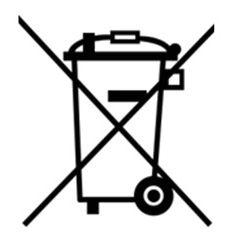
Crossed-out wheeled bin symbol: this symbol indicates that the battery must not be disposed of with household or mixed waste. It indicates separate collection and proper treatment of used batteries to avoid environmental and human health risks due to the presence of hazardous substances contained therein. Separate collection allows the recovery of valuable materials and the safe treatment of harmful components. The disposal of batteries as household waste is prohibited by law.

Chemical symbols: these symbols indicate the presence of specific heavy metals within the battery above the prescribed concentrations. All batteries containing more than 0.002% cadmium or more than 0.004% lead are marked with the chemical symbol for the metal concerned: Cd or Pb. The relevant chemical symbol is printed beneath the crossed-out waste bin symbol.
Impact of batteries on the environment, human health and safety
Batteries contain harmful substances for the environment, human health and safety. For this reason, the end-user must dispose the batteries in accordance with environmental protection regulations.
Mechanical, thermal, or electrical stresses (e.g., impacts, heat, cold, incorrect charging, or short circuits) can damage the battery and thus leading to the following consequences:
- Release of toxic substances or leakage of corrosive liquids can cause skin irritation, burns and chemical burns.
- Increased fire hazard due to leakage of flammable electrolytes.
- Release of toxic substances or combustion products in the event of a fire.
- Reactions with other materials resulting in the release of flammable or toxic gases.
- Vapor generated from burning batteries may irritate eyes, skin and throat.
If the maximum permitted internal pressure is exceeded, the battery may release flammable gas and constitute a fire hazard. If you notice an unusual smell or any signs of smoke or burning, immediately stop charging the battery. Leave the battery charging area and alert the emergency personnel.
Financial contributions paid by the producer
Ferrari, as a producer of batteries, incurs the following costs.
- Costs of separate collection of waste batteries and their subsequent transport and treatment, taking into account any revenues obtained from preparation for re-use or preparation for repurposing or from the value of secondary raw materials recovered from recycled waste batteries.
- Costs of carrying out a compositional survey of collected mixed municipal waste.
- Costs of providing information on prevention and management of waste batteries.
- Costs of data gathering and reporting to the competent authorities.